

SPORT / BEACHES
By Juliet McNelly
Juliet McNelly
Lifestyle & Editorial Writer
Juliet McNelly is a freelance copywriter specialising in lifestyle, travel and brand-led editorial content, with a focus on engaging storytelling and audience connection.
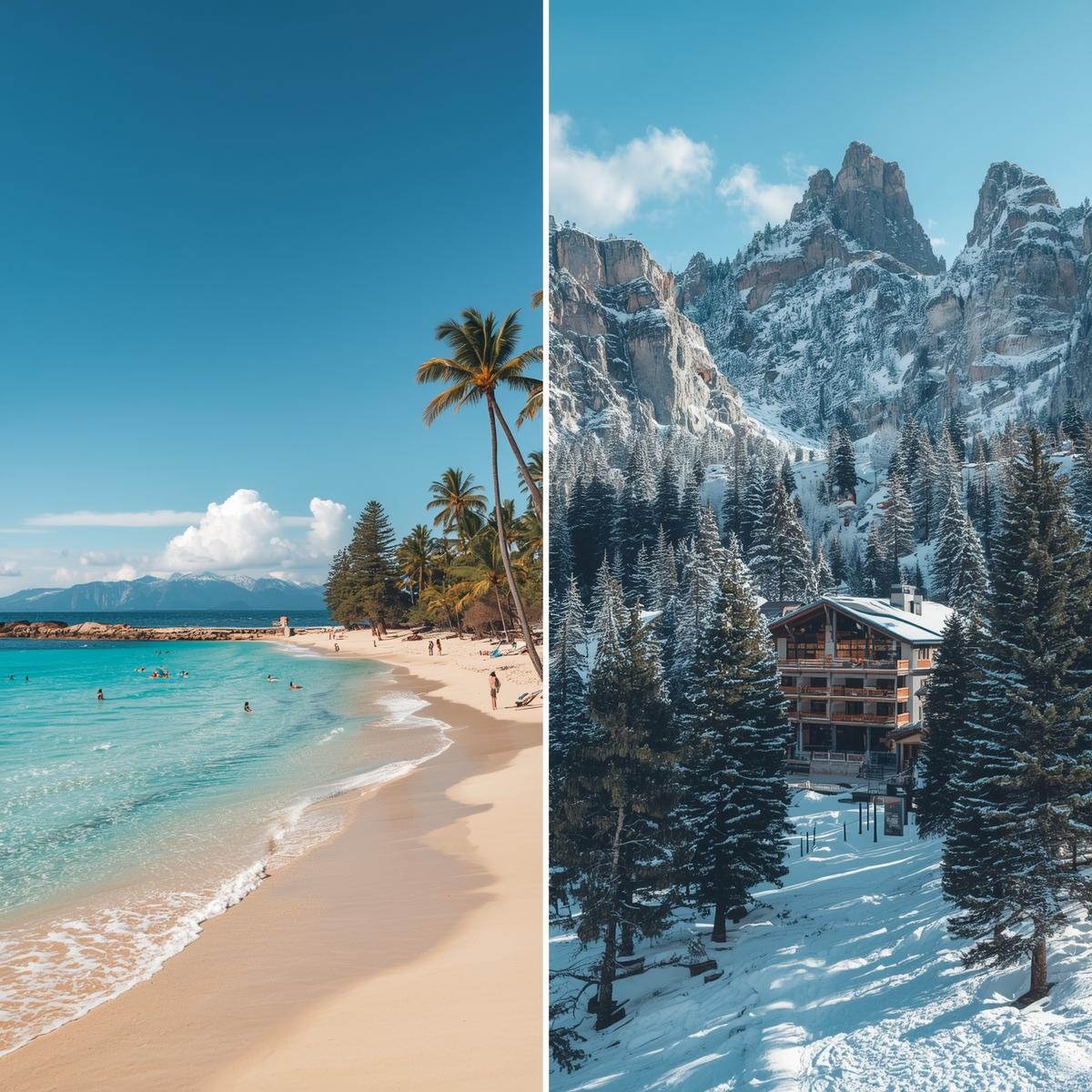
For Brits in Spain, wintertime offers the best of both worlds. The stunning winter landscapes of central and southern Europe are only a short flight away, allowing you to escape festive frustrations and recharge your batteries at the end of a busy year.
5 Min Read
Skiing, Coastal
Feature Story
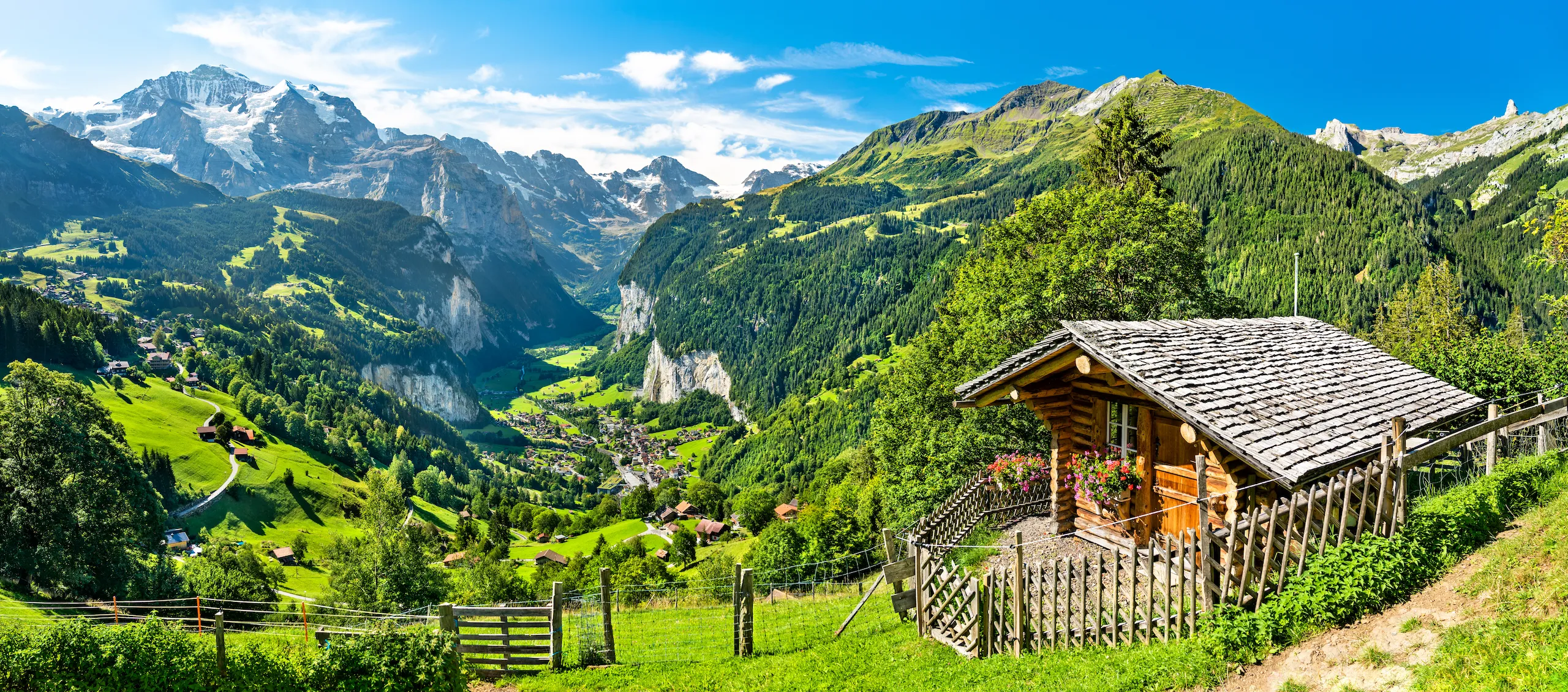
The majestic Swiss Alps are the quintessential winter playground. Dwarfed by the Bernese Alps, Gstaad in the canton of Bern, becomes a car-free winter wonderland in December. Via a 1st class ticket (CHF 96.00), the GoldenPass Express from Montreux glides through cinematic mountain scenery for nearly two blissful hours. While a 30-minute private helicopter transfer from Geneva or Zurich airports (€4,000-€12,000 per hour) charts the U-shaped valleys carved by ancient glacial melting. It’s easy to see why actress Julie Andrews once called Gstaad “the last paradise in a crazy world”.
Jetsetters return to Gstaad for its 220km of pristine pistes and understated luxury, with “one in six (17%) planning winter activities like snowboarding and skiing into their holiday itinerary” (Winter 2024/2025 Travel Trends Report: Celebrating the Festive Period Abroad. 2024, Scott Dunn). Ski-in, ski-out palaces set amidst jaw-dropping scenery, such as the century-old Gstaad Palace, offer luxurious peak-facing rooms and charming wooden chalets, once used by summer herders. Rooms range between €1,000 and €5,000 per night, and private chalets skyrocket beyond €7,000.
A maze of luxury chairlift pods, the mountain railway, covers the high-altitude and cross-country slopes of Glacier 3000, Wispile, La Videmanette, and Wasserngrat. Après-ski entertainment lasts long after sunset, when suit-clad skiers linger at slopeside bars, art galleries, and stylish Michelin-starred eateries, like Sommet at The Alpina and Chesery.
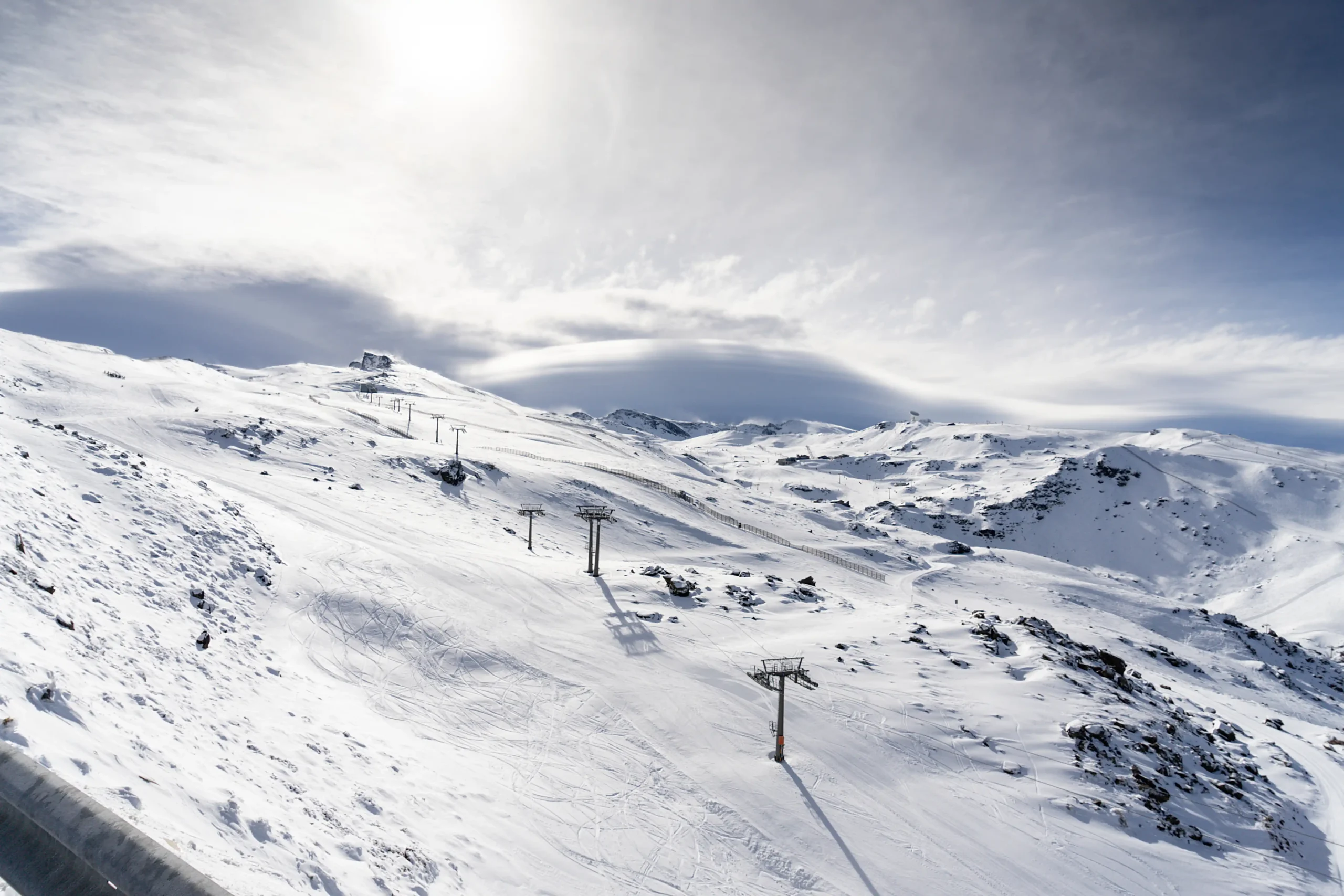
Expats seeking local slopes should visit Pradollano in the Sierra Nevada. Its proximity to both mountain scenery and golden Andalucia means Spanish tapas and Swiss raclette feature in your après-ski experience. Perched on the north-facing side of Pico del Veleta near Granada, Pradollano is conveniently close to the airport, the Alhambra, and the tile-adorned thermal spas of landlocked Granada.
First-time skiers should head to the gentler, well-groomed slopes in the Borreguiles area reachable by the Al-Andalus and Borreguiles gondola, where grandkids glide on their first magic carpet under the watchful eye of ski schools, freeing adults to tackle the 50 red and 20 black runs. Keen to evade the crowds? Mid-January to early March is a quieter and snowier season, with daily passes priced around €60.
Shortlist eco-certified stays like El Lodge Ski & Spa (rooms from €1,000-€5,000) or make it a yearly affair in your lifetime luxury chalet overlooking the colossal Serra at Lux Village. As with any high-altitude trips, ensure your travel insurance covers mountain rescue and medevac.
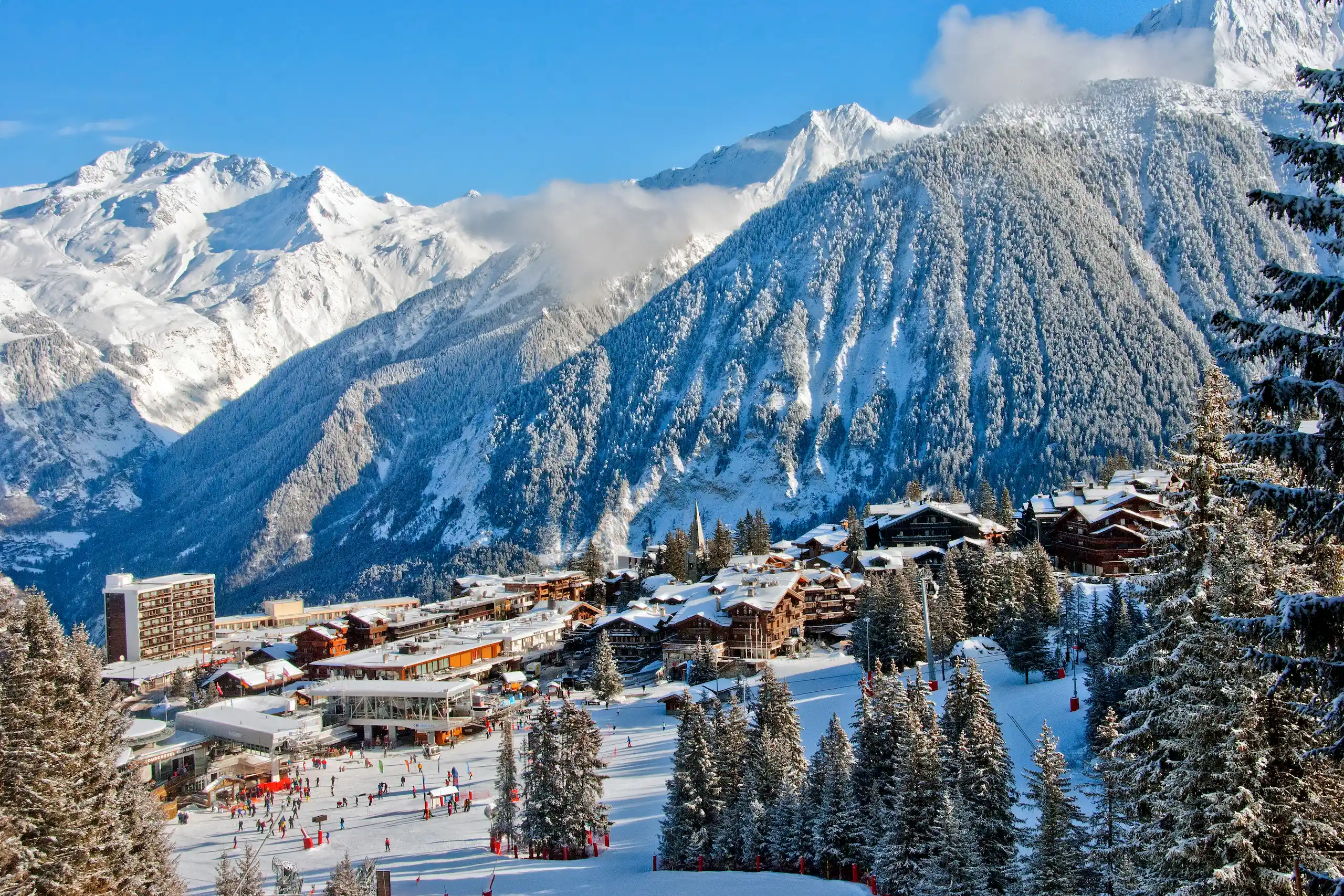
Once an isolated, pastoral village in the Tarentaise Valley, Val D’Isère emerged after Parisian Jacques Mouflier helped transform it into an Olympian-grade resort. Exclusive air transfer or a hotel-organised chauffeur are the recommended modes of travel. Today, Val d’Isère is the epitome of sophistication in the ski resort world, but humble vestiges still survive in the Saint-Bernard de Menthon church and bell tower.
Overlapping with Tignes, the Tignes-Val d’Isère straddles 300km of pistes and runs reaching 3,400m high. Skier access relies on fast-track options, such as the high-speed Solaise Gondola, in an interconnected lift network. Fantastic snow conditions, helped by artificial snowmaking, keep the slopes open year-round. While green runs exist, Val d’Isère is famed for its steep slopes and off-piste ski lifts braved by guided thrill seekers addicted to the sensation of skis slicing fresh powder.
Besides snow sports, sip flutes of champagne above the clouds, guided by Val d’Isérois Heliskiing insiders who know the terrain well (€500-€1,500). After a dip in the gold-leaf pool at Chalet Marco Polo, enjoy breakfast on the sundeck or glide to the award-winning Maison Chevallot. Intergenerational groups might enjoy the ski-in ski-out appeal of the luxury hotel, Airelles Val d’Isère. The choice is yours!
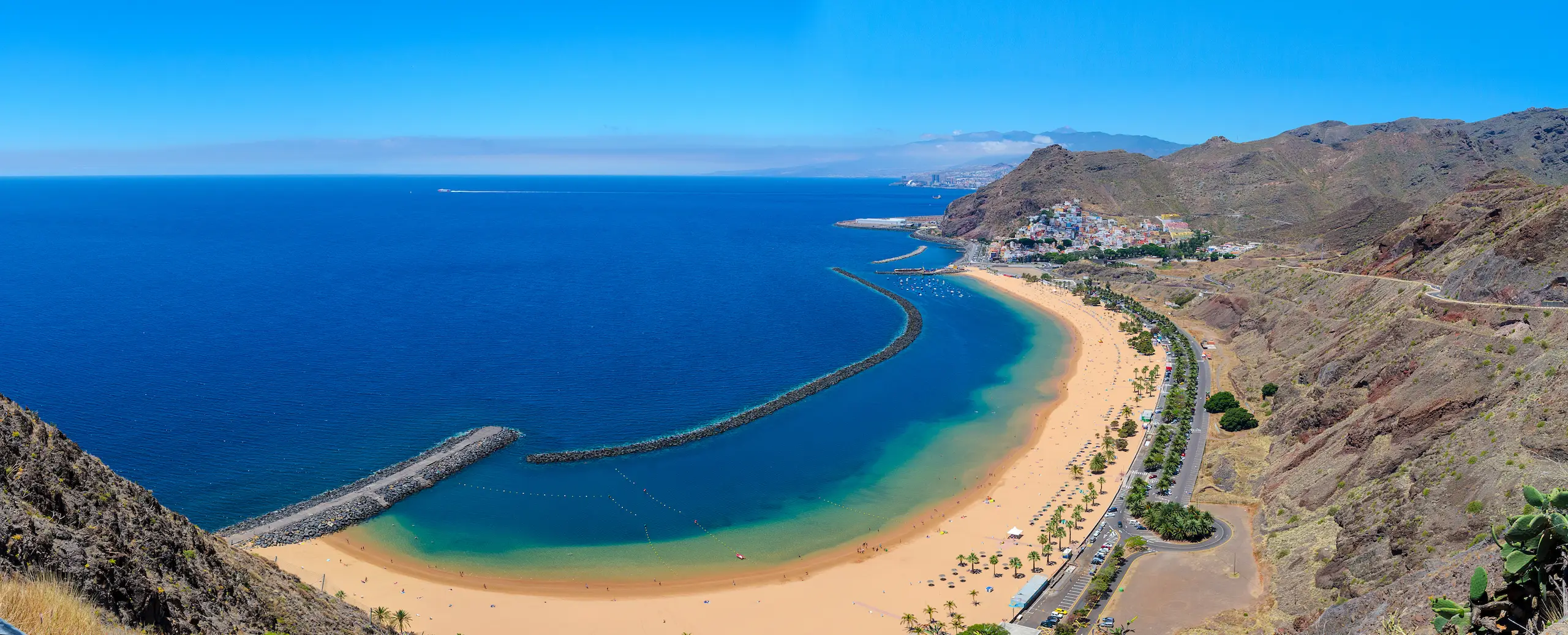
Tenerife in the Canary Islands is a stimulating remedy for sun-starved expats. Unlike its windier neighbours, spring-like sunshine gilds the winter months. Tenerife South-Reina Sofía Airport and Tenerife North-Ciudad de La Laguna Airport welcome frequent flights from Madrid and Barcelona. Skip economy class in a private chartered jet for €500-€15,000 per hour.
The luxury hotel scene does not disappoint either. Within the leafy grounds of Ritz-Carlton Tenerife, a biosphere-certified haven, lies a vast wellness centre with serene contrast therapies. Recharge at one of several biohacking programs hosted by the Eco Hotel El Agua, where daily room rates span €350-€1,500. For discreet privacy with perks, let villa experts, Oliver’s Travels, meet every demand from €20,000 upwards.
By day, make the most of Tenerife’s “wettest” season – sunny days with occasional showers! Glimpse a rainbow of migratory species on coastal excursions. On the UNESCO-listed Teide volcano, glide up its record-high cone to see Europe’s biggest telescope at Teide observatory.
Tenerife’s local cuisine is just as spectacular. Lapas limpets are a seafood speciality, as is cherne served with papas arrugadas (fried potatoes). Tenerife’s rich volcanic soil produces endemic grape varieties, among them are white Listán Blanco, golden Malvasía, and red Negramoll. Head to a Guachinche for home-bottled wine and wine tastings hosted by local wine growers.
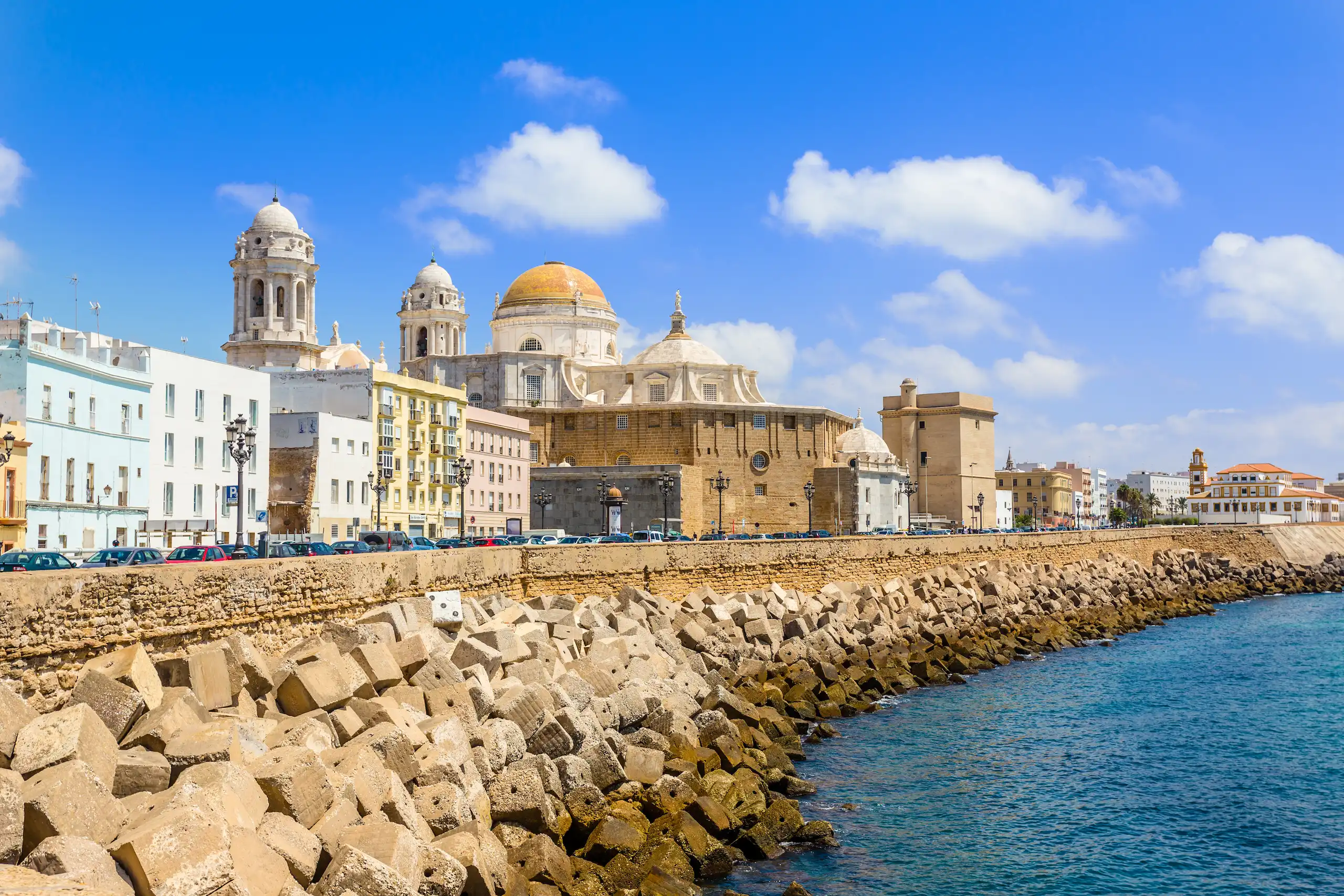
On the other side of Costa del Sol lies the land of sunshine, sherry, and endless sandy beaches. Welcome to Costa del Luz.
Connections run from Seville to Cadiz to the towns in the ‘sherry triangle’ of the Cadiz region: El Puerto de Santa María, Sanlúcar de Barrameda, and Jerez de la Frontera. This famous town takes its name, Jerez, from the fortified wine itself. In the bodegas of Cadiz, upscale tastings tempt many to buy more than one bottle, whether pale Fino, Amontillado, or the Sanlucar-produced Manzanilla, for their private collections back home.
Expect to pay more than €50 with tapas included. Sleep at the splendid boutique, Casa Palacio Maria Luisa (rooms and suites are available at €300-€800 per night), between losing yourself in flamenco fever at shows scattered across the city (www.turismojerez.com). Not to mention that December is the month to experience seasonal ‘Zambombas’, named after the zambomba drum that carries the melody of flamenco-like villancicos (www.mivelezmalaga.com/).
Continue to the coast and you’ll find a 3000-year-old city built by the ancient Phoenicians. A storied feel radiates from the Baroque-style Cadiz Cathedral and the soaring Torre Tavira, crowded by winding streets and plazas. Chase seafood specialities, like shrimp fritters, after sun-bleached strolls down Playa de la Victoria, on days with a pleasant high of 20 degrees. Stay at the rooftop Hotel Argantonio with luxury suites at only €160 per night to complete an idyllic visit.
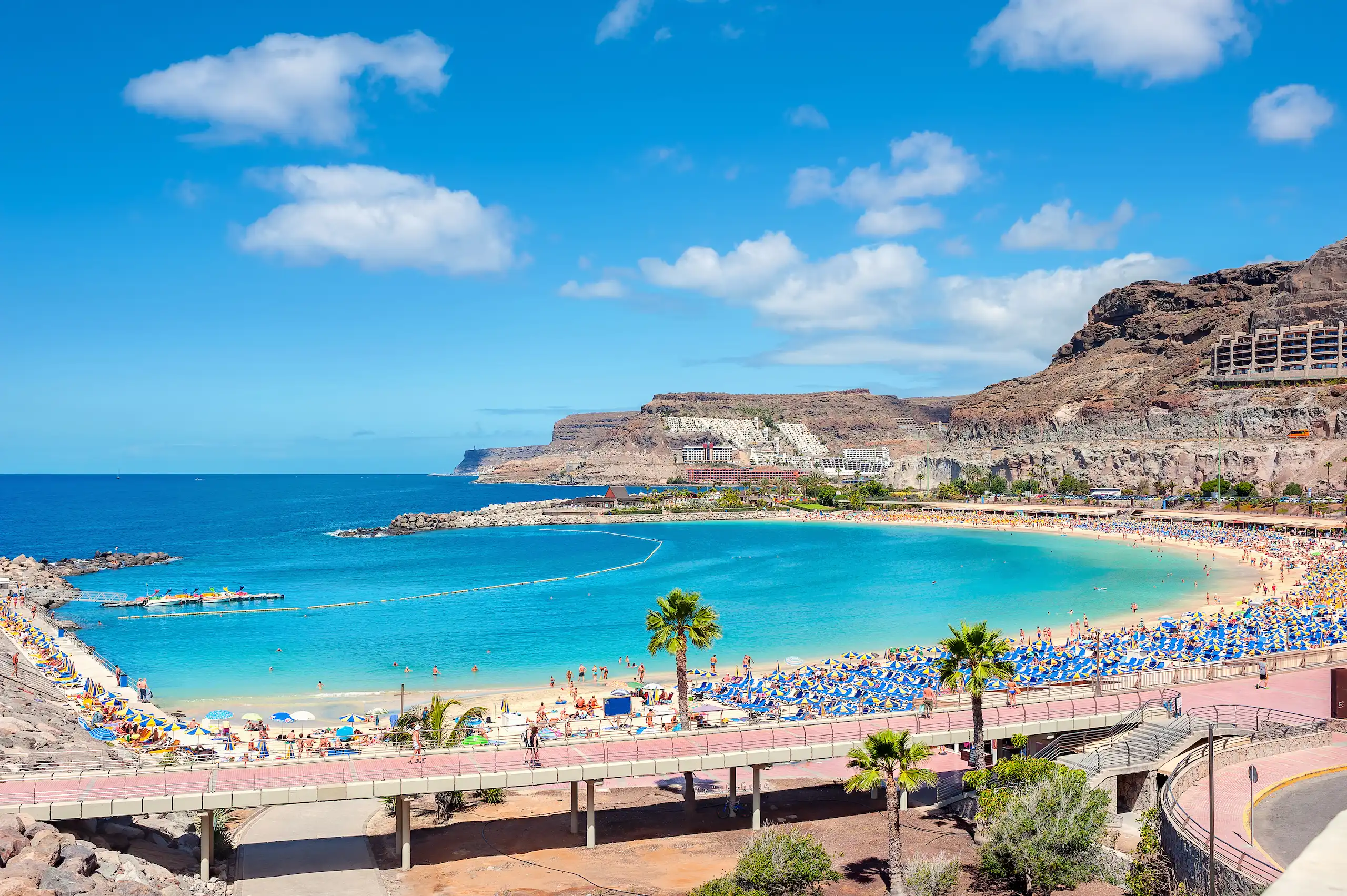
Basking in 3000 days worth of sunshine, Gran Canaria remains one of Europe’s most effortless winter escapes – especially for mainland dwellers. From Madrid, direct flights to Gran Canaria Airport take just over two and a half hours, connecting to the island’s southern coast, where black volcanic beaches and upscale spa resorts await. The island’s acclaimed Seaside Grand Hotel Residencia in Maspalomas offers discreet five-star luxury with Moorish-inspired design and a renowned thalasso spa set amid palm gardens. While the hilltop Salobre Hotel Resort & Serenity mingles golf, enchanting views, and the aloe-infused Be Aloe Wellness Centre for body and soul healing.
Rates for this calibre of stay typically range from €250-€500 per night in high season; however, prices near €700 per night during winter. Beyond its resorts, Gran Canaria’s appeal lies in its rich diversity of volcanic landscapes, sculpted dunes, and UNESCO-listed Biosphere reserves all within an hour’s drive. With gentle 22 °C winter days and a sea temperature that rarely dips below 18 degrees, Gran Canaria fulfils the brief of balmy winters without long-haul fatigue.
For Brits in Spain, winter is an invitation to live beautifully. Chase the snow, follow the sun, or do a little of both—Europe’s most coveted destinations are right on your doorstep, ready to turn the quieter months into something extraordinary.